Why Savy Home Buyers Trust Our Inspections
Your home -Your Money-Your Peace of Mind
You deserve an inspector that puts your interest first.

Why We Are The Best
We work exclusively for you- the buyer - not the agent
Comprehensive Reports With Photo Documentation Average Over 70 Items Inspected
Findings explained in clear plain English- no sugar coating
Minimum 3 Hours on Site
One on One In Person Walk Throughs and/or Phone Consultation
Reports delivered in 24 hours or less
Services
Standard Home Inspection
Foundation to roof. Electrical, plumbing, HVAC, attic, crawl space, and every system in between. Minimum 3 hours. Always photo-documented.
Mold Testing
.Mold grows where moisture lingers — crawlspaces, attics, HVAC systems, behind drywall. Air samples measure what's in your indoor air. Surface samples from visible or suspected growth identify the exact species present. Both go to a certified lab. A mold problem left undetected can cost thousands. This costs far less.
Sewer Scope
A camera goes through your sewer line to find cracks, blockages, or root intrusion. A defective sewer line can cost thousands. This costs far less.
Pre-Listing / Seller Inspection
Find what buyers will find — before they do. Avoid last-minute surprises, price reductions, and deal collapses at the closing table.
Pricing
Basic home inspection
0000-1500 sq/ft - $400
1501-2000 sq/ft - $ 425
2001-2500 sq/ft- $ 450
2501-3000 sq/ft- $ 475
3001-3500 sq/ft- $ 500
3501-4000 sq/ft- $ 550
4001-4500 sq/ft- $ 600
4501 sq/ft or more Priced individually
Homes with crawlspaces add 25$
Sheds/Shops/Outbuildings/etc.
These are out of the scope of standard home inspections but can be added for an additional fee based on complexity
starting at $75
Mold Testing
Add on to home inspection
minimum 3 samples $175
Limited Inspection
Stand alone- no home inspection
limited to areas of concern only
minumum 3 samples $ 300
Complete Inspection
Stand alone- inspection of all accessible areas or multiple areas of concern
minimum 5 samples $ 500
All additional samples $50 Each
Sewer Sope
Add on to home inspection
$ 150
Stand alone service
$ 250
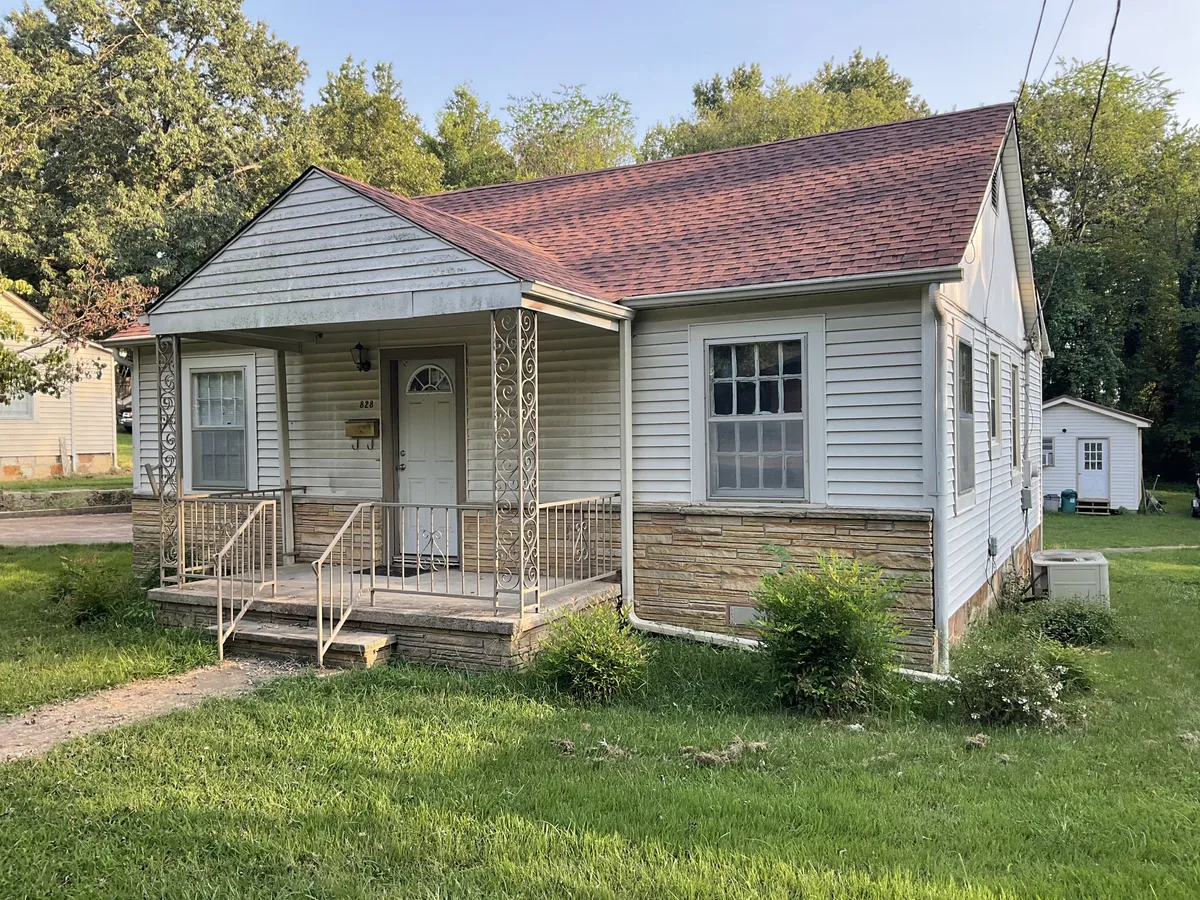
Preview a full inspection report so you know exactly what details, photos, and recommendations buyers receive.
Frequently Asked Questions
Find quick answers to common questions about the home inspection process
The Basics
What is a home inspection and why do I need one ?
A home inspection is a thorough visual examination of a property's major systems and components — from the foundation and structure to the roof, electrical, plumbing, HVAC, and everything in between. The goal is to give you an honest, unbiased picture of the home's condition before you finalize your purchase.
For most people, a home is the largest financial decision of their life. An inspection protects that investment by surfacing issues you may never spot on your own — things that could cost thousands of dollars in repairs down the road. It also gives you real leverage at the negotiating table.
How much does a home inspection cost?
Pricing is based on the square footage of the home: See Pricing section above
Additional services such as thermal imaging, mold testing, and sewer scope are priced separately
How long does the inspection take?
Most inspections usually take a minimum 3 hours depending on the size, age, and condition of the property. Larger homes, older homes, and those with crawl spaces or additional structures will naturally take more time.
We schedule only one inspection per day. That means your home gets our complete, undivided attention — not a rushed walkthrough squeezed between other jobs.
When will I receive my report ?
Your report is delivered within 24 hours of the inspection — often the same evening. It will include photos of all findings so you have a clear visual record of the home's condition, not just a written list.
Does the home pass or fail the inspection ?
No — a home inspection is not a pass/fail test. It's an objective snapshot of the property's condition at the time of the inspection. Every home has issues; the report documents them clearly so you can make an informed decision about whether to proceed, negotiate, or walk away.
What you do with that information is entirely up to you. Our job is to make sure you have it.
Will the inspector tell me whether to buy the house ?
That's not our role — and you should be cautious of any inspector who tries to play it. Our job is to give you the most complete, honest picture of the property's condition we can. The buying decision involves your finances, your priorities, and your risk tolerance, and only you can weigh those.
What we will do is walk you through every finding and make sure you leave with a clear understanding of what is significant, what is routine maintenance, and what warrants further attention from a specialist.
About The Inspection
What is included in a standard home inspection ?
A standard inspection covers all visible and accessible systems and components of the home, including: roof, gutters, and drainage; foundation and structure; exterior siding, windows, and doors; attic, insulation, and ventilation; electrical panel, wiring, and outlets; plumbing, fixtures, and water heater; HVAC systems; interior walls, ceilings, floors, and stairs; garage; and crawl space (if present).
The inspection follows the Arkansas Home Inspection Standards of Practice, which define what must be examined and what falls outside the scope of a general inspection
What is NOT included in the inspection ?
A general home inspection is visual and non-invasive — we don't open walls, move personal belongings, or access areas that are unsafe or not readially accessible. Items typically outside the scope of a standard inspection include: buried or concealed plumbing and sewer lines, in-ground pools and sprinkler systems, detached outbuildings (unless requested), pest or termite inspection, radon testing, and code compliance verification.
Do you use thermal imaging on every inspection ?
Thermal imaging is used on every inspection. A thermal camera detects temperature differences that can reveal hidden moisture intrusion, missing insulation, and electrical hot spots that are invisible to the naked eye — issues that can be expensive if left undetected.
Are there photos in the report ?
Yes. Every finding in your report is documented with photos so you can see exactly what was observed. Written descriptions alone aren't enough — a photo tells the story far better than words can.
Do you inspect new construction homes ?
Yes — and this is one of the most overlooked inspections there is. New construction is not the same as defect-free construction. Municipal inspectors check for code compliance, not buyer advocacy. We have seen brand-new homes with improper grading, missing insulation, plumbing deficiencies, and electrical issues that passed the builder's final walkthrough.
Getting an independent inspection before you close on new construction — while everything is still under warranty — can save you significantly.
Can sellers get pre- listing inspections ?
Absolutely — and it's a smart move. A pre-listing inspection lets you find and address issues before they become surprises during the buyer's inspection. It gives you control over the process, strengthens buyer confidence, and can help your home sell faster and with fewer last-minute negotiation headaches.
Sellers who know the condition of their home go into negotiations from a position of strength rather than reaction.
Trust and Qualifications
Does the inspector work for my agent or have any stake in the sale ?
No. Collins Property Inspection and Services works for you and only you. We have no financial interest in whether the sale closes, and we have no referral relationship with any agent, lender, or contractor that would influence our findings. In fact the state ethics code explicitly prohibits this practice and could result in disciplinary action against the inspector if violated.
Our only job is to give you an honest report. A good real estate agent will respect that — and encourage it
What are your quallifications ?
Keith Collins is an InterNACHI Certified Professional Inspector, a member of the Arkansas Association of Real Estate Inspectors (AAREI), member of the Certified Commercial Property Inspectors Association (CCPIA), and holds Arkansas Home Inspector License #2331. He holds a B.S. in Geology from Arkansas Tech University — a background that brings a practical understanding of soil behavior, drainage, foundation movement, and environmental factors that affect homes over time.
Beyond the certifications, Keith brings over 25 years of hands-on experience in home renovation and rental property management. That means he doesn't just identify that something is wrong — he understands why it happened, and how serious it actually is
What's the difference between a home inspection and an appraisal ?
They serve very different purposes. An appraisal determines the market value of a property — it's primarily for the lender to confirm the home is worth what you're borrowing. An inspection determines the physical condition of the property — it's for you, the buyer, to understand what you're actually getting.
An appraisal won't tell you the roof is at the end of its life or the electrical panel is undersized. That's what an inspection is for. They are complementary, not interchangeable.
Logistics
Can I attend the inspection ?
Yes, and we encourage it. Walking through the property with your inspector in real time is far more valuable than reading the report afterward. You can ask questions on the spot, understand the context behind each finding, and leave with a genuine feel for the home — not just a document.
If you can't be there in person, we'll make sure the report is detailed enough that nothing important is lost.
What needs to be done before the inspection ?
For the most thorough inspection possible, the home should have all utilities active — gas, electric, and water turned on. The seller should provide access to all areas including the attic, crawl space, electrical panel, and any outbuildings being inspected. Any areas that are locked, blocked, or inaccessible cannot be inspected and will be noted in the report.
How quickly can I get scheduled ?
Scheduling typically takes only a few minutes. Contact us and we'll get you on the calendar right away. We understand that real estate transactions move fast, and we work to accommodate your timeline.
How and when do I pay ?
Payment is due at the time of the inspection. We accept cash, check or card.
Can I use the inspection report to negotiate with the seller ?
Yes — the report is yours to use however you need. Buyers regularly use inspection findings to request repairs before closing, negotiate a reduction in purchase price, or ask for seller concessions. A well-documented report from a credible, licensed inspector carries real weight in those conversations.
Your agent can help you decide which findings are worth pursuing and how to approach the negotiation
Ancillary Services FAQs
Sewer Scope
What is a sewer scope inspection ?
A specialized camera is run through the main sewer pipe from the house to the city connection or septic tank, recoding the inside of the pipe looking for damage, blockages, and defects.
Why would I need a sewer scope? isn't it part of a home inspection?
A standard home inspection covers the plumbing you can see, but not the buried main line. A sewer line replacement cost start around 50$ per foot, meaning repairs can add up to thousands of dollars quickly
(for example repair at 50$ per foot would equal 5000$ for a 100ft line).
How do you access the line ?
Access is usually gained through an existing cleanout, or through a roof vent when it’s safe to do so. If the property has no accessible cleanout, a toilet will need to be pulled or a cleanout installed before the scope can be performed. Collins Property Inspection does not remove toilets; removing a toilet or installing a cleanout is considered repair work, which home inspectors are prohibited from performing under the Arkansas Home Inspector Standards of Practice. This work must be completed by a licensed plumber. Many plumbers can also perform the sewer scope at the same time, which may save you a second trip. If you’d prefer us to perform the scope, we’re happy to schedule it once access is available.
Will I get to see the footage ?
Yes. You’ll receive a written report with findings and still images, plus video footage of the line via link/download
Can you scope/inspect a septic tank ?
We can scope the line from the house to the tank; the camera will not enter the tank as there is a high risk of getting the camera stuck, creating a bad situation. A full septic inspection (tank condition, pumping, drain field) is a separate service handled by a licensed septic professional.
What if you find a problem ?
We’ll document the defect and approximate location when possible, which helps a plumber give you an accurate quote. That information is also valuable when negotiating repairs with a seller.
Mold Testing
Do I need a mold test if I already see mold ?
Not always. If suspected mold is visible, the first priority is finding and fixing the moisture source and having the growth cleaned up properly. Testing is most useful when you’re not sure whether what you’re seeing is actually mold, when you notice a musty odor but can’t find the source, or when you suspect hidden growth behind walls, under flooring, or in the HVAC system. It’s also worth considering if someone in the home has health concerns, or if you want to verify that a remediation was successful.
What is the difference between mold testing and mold sampling ?
An inspection is a visual and moisture-focused evaluation: looking for water damage, leaks, and conditions that support mold, often with moisture meters and thermal imaging. Testing means collecting samples (air, surface, or both) and sending them to an accredited lab for analysis. The best results come from combining the two.
What type of samples do you take ?
Typically two types of samples are taken; air samples, which compare indoor spore levels and types to an outdoor baseline, and surface samples (tape lifts or swabs) to identify visible growth. The approach depends on what you’re trying to answer.
Can you tell me if its "Black Mold" ?
Lab analysis can identify genera like Stachybotrys, which is often what people mean by “black mold.” There are thousands of different types of mold and color alone doesn’t tell you the type, and many dark-colored molds are common and less concerning.
Where do the samples go ?
Every sample is sent to an accredited laboratory in Houston Texas for analysis. You’ll receive the lab results with a written report that explains the findings.
how long until I get my results ?
Samples are shipped to the lab ASAP, due to shipping times and lab turn around expect results in about 3 to 5 business days.
Do you do mold remediation ?
No. We test and inspect only, which avoids any conflict of interest. Our job is to tell you what’s there and give you unbiased information, not to sell you a cleanup.
Meet Your Inspector
I'm Keith Collins, owner of Collins Property Inspection and Services LLC and a licensed home inspector serving Batesville and north-central Arkansas.
I've always been the kind of person who likes to understand how things work and isn't afraid to tackle a project. I grew up working on houses alongside my dad my family has been in construction and rental property management my entire life. That upbringing gave me a deep appreciation for quality construction and what proper maintenance actually looks like. Whether it's home renovations, woodworking, or tinkering with mechanical things, hands-on work has always been part of how I operate.
My professional background aside from homes is rooted in the environmental field, where I spent over a decade in regulatory compliance and testing. A significant part of that work involved complex EPA-methodology emissions testing, the kind of work where following protocols and getting the data right isn't optional. That same discipline and attention to detail is what I bring to every home inspection.
A home is likely the most significant purchase you'll ever make, and I don't take that lightly. My goal is to give you the best information I can so you can make a confident, informed decision. My job is to be an unbiased third party, whether you choose to purchase a particular home has no bearing on how I conduct my inspection. You get my best work every time, regardless of the outcome.
I'm a lifelong Arkansan, an Eagle Scout, and an outdoorsman through and through. When I'm not inspecting, you'll find me hunting, fishing, camping, or out in the shop working on something.
I look forward to helping you on your home purchase. Give me a call I’d be glad to help.
Education & Certification
I'm Keith Collins, owner of Collins Property Inspection and Services LLC and a licensed home inspector serving Batesville and north-central Arkansas.I've always been the kind of person who likes to understand how things work and isn't afraid to tackle a project. I grew up working on houses alongside my dad my family has been in construction and rental property management my entire life. That upbringing gave me a deep appreciation for quality construction and what proper maintenance actually looks like. Whether it's home renovations, woodworking, or tinkering with mechanical things, hands-on work has always been part of how I operate.
My professional background aside from homes is rooted in the environmental field, where I spent over a decade in regulatory compliance and testing. A significant part of that work involved complex EPA-methodology emissions testing, the kind of work where following protocols and getting the data right isn't optional. That same discipline and attention to detail is what I bring to every home inspection.
A home is likely the most significant purchase you'll ever make, and I don't take that lightly. My goal is to give you the best information I can so you can make a confident, informed decision. My job is to be an unbiased third party, whether you choose to purchase a particular home has no bearing on how I conduct my inspection. You get my best work every time, regardless of the outcome.
I'm a lifelong Arkansan, an Eagle Scout, and an outdoorsman through and through. When I'm not inspecting, you'll find me hunting, fishing, camping, or out in the shop working on something.
I look forward to helping you on your home purchase. Give me a call I’d be glad to help.
Education & Certification
· Eagle Scout-2006
· B.S. Geology- Arkansas Tech-2013
· Arkansas Home Inspector License 2331
· InterNACHI – Certified Professional Inspector
· CCPIA- Certified Commercial Property Inspector
· IAC2 – Certified Mold Inspector
· CMAT- Certified Mold Assessor Technician – Environmental Consultants Network
Certifications





Call Us
870-613-1348

propertyinspection.collins@gmail.com

Opening Hours
Mon-Fri: 8:00 AM - 6:00 PM
Sunday: Closed